

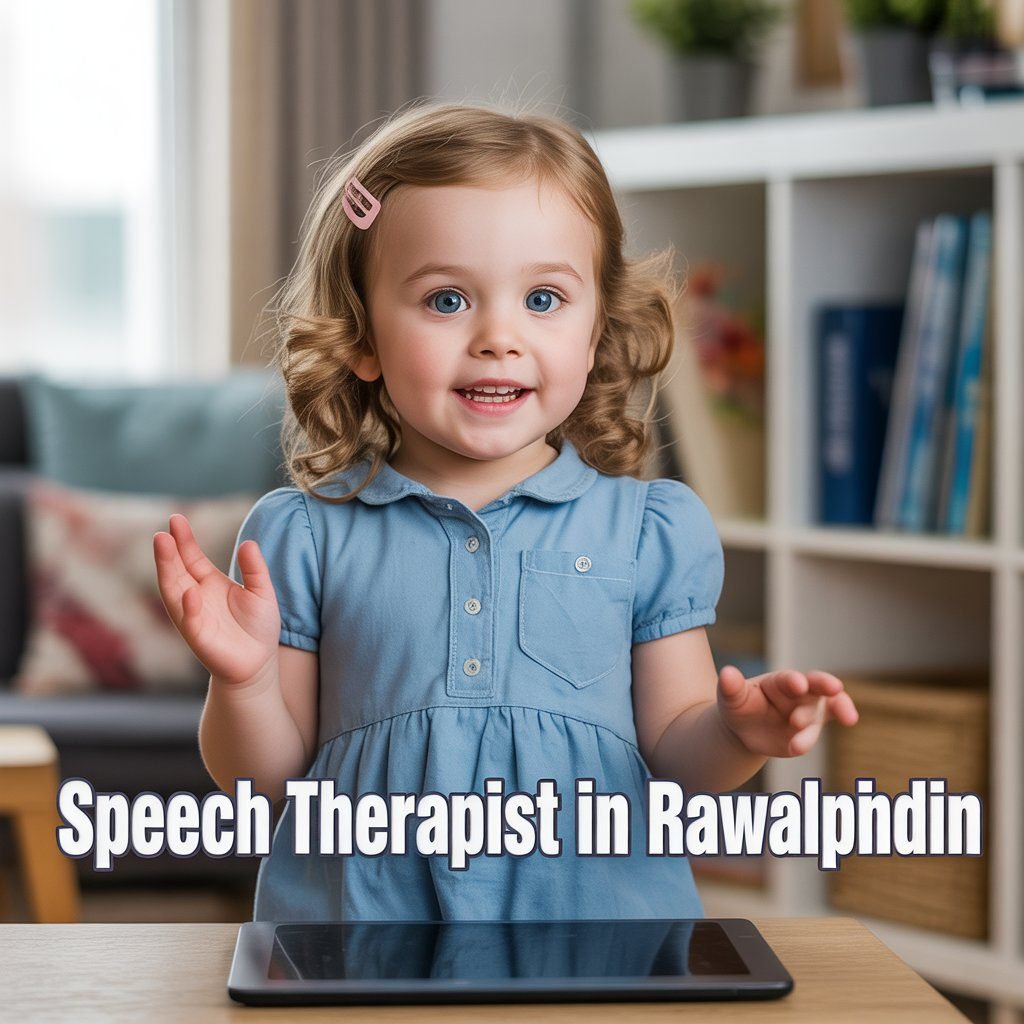
Communication is the bridge that connects us to the world, allowing us to share our thoughts, needs, and emotions. When this bridge is under construction or has been damaged, navigating daily life can become a profound challenge. For children and adults in Rawalpindi facing such hurdles, seeking the support of a qualified speech therapist in Rawalpindi can be the most transformative step toward building stronger connections and unlocking full potential. This specialized professional does much more than just help with pronunciation; they are a dedicated ally in overcoming a wide spectrum of communication and swallowing disorders.
Understanding the role of these experts is the first step toward seeking help. A speech therapist in Rawalpindi, also known as a Speech-Language Pathologist (SLP), is a highly trained healthcare professional. They possess the expertise to assess, diagnose, and treat communication and swallowing difficulties across all age groups. Their work is grounded in scientific principles and compassionate care, making them an invaluable resource for families and individuals seeking to improve their quality of life through better communication.
The Expansive Role of a Speech-Language Pathologist
Many people mistakenly believe that speech therapy is only for children who lisp or stutter. While these are common reasons for seeking help, the scope of practice for a speech therapist in Rawalpindi is remarkably broad. They are skilled in addressing a diverse range of issues that can affect both verbal and non-verbal communication.
Common conditions treated include:
-
Articulation Disorders: Difficulties in producing specific sounds correctly.
-
Language Delays and Disorders: Challenges in understanding what is heard (receptive language) or expressing thoughts and ideas (expressive language).
-
Fluency Disorders: Interruptions in the flow of speech, such as stuttering.
-
Voice Disorders: Issues with pitch, volume, or quality of voice that are distracting or cause pain.
-
Social Communication Disorders: Difficulties with the social aspects of communication, like taking turns in conversation or understanding non-verbal cues.
-
Feeding and Swallowing Disorders (Dysphagia): Problems with chewing, swallowing, or managing different food textures.
This wide-ranging expertise means that whether a toddler is a late talker, a school-aged child has difficulty reading, or an adult has lost speech after a stroke, a speech therapist in Rawalpindi can provide targeted, effective intervention.
When Should You Consider Seeking a Speech Therapy Evaluation?
Recognizing the signs that indicate a need for professional help is crucial for timely intervention. Early support often leads to more successful outcomes, but therapy is beneficial at any age. You might consider a consultation if you observe the following:
In Children:
-
Limited Babbling or Talking: The child does not babble by 7 months or use single words by 15 months.
-
Unclear Speech: Their speech is significantly harder to understand than that of their peers.
-
Lack of Social Interaction: The child does not use gestures, make eye contact, or engage in simple interactive games.
-
Frustration with Communication: They become easily frustrated when trying to communicate their needs.
-
Struggles with Feeding: The child has extreme pickiness with food textures or difficulty chewing and swallowing.
In Adults:
-
Sudden Speech Difficulties: A sudden loss of speech or slurred words, which could indicate a medical event like a stroke.
-
Progressive Communication Challenges: Increasing difficulty finding the right words or following conversations, potentially related to neurological conditions.
-
Persistent Hoarseness: A hoarse voice that lasts for more than a few weeks.
-
Swallowing Problems: Frequent coughing or choking during meals, or a sensation of food being stuck in the throat.
The Therapeutic Journey: What to Expect from Sessions
Embarking on speech therapy is a collaborative process. The journey typically begins with a comprehensive assessment where the therapist will evaluate the individual’s specific strengths and challenges through standardized tests, observation, and discussion with family members. Following this assessment, a personalized treatment plan is created with clear, achievable goals.
Therapy sessions themselves are often engaging and activity-based, especially for children. A therapist might use games, pictures, books, and objects to stimulate language development. For articulation, they may demonstrate correct tongue placement and use mirrors for visual feedback. For adults recovering from a stroke, therapy might focus on exercises to strengthen mouth muscles or strategies to help retrieve words more efficiently. The therapist will also provide families and caregivers with practical strategies and “homework” to practice between sessions, ensuring that progress is reinforced in everyday life.
Finding the Right Fit in Rawalpindi
Choosing the right therapist is a deeply personal decision. Look for a qualified professional who holds a relevant master’s degree and is licensed to practice. Beyond credentials, the therapeutic relationship is built on trust and rapport. It is important to find a therapist who communicates clearly, shows genuine empathy, and makes you or your loved one feel comfortable and supported. Many therapists offer an initial consultation, which is a perfect opportunity to ask about their experience with your specific concern and their general approach to therapy.
In conclusion, the path to clearer communication and greater confidence is within reach. A dedicated speech therapist in Rawalpindi can provide the expert guidance, supportive environment, and proven techniques needed to overcome communication barriers. By taking that first step to seek an evaluation, you are opening the door to a world of improved relationships, academic success, and professional opportunities, ultimately empowering a voice to be heard.