


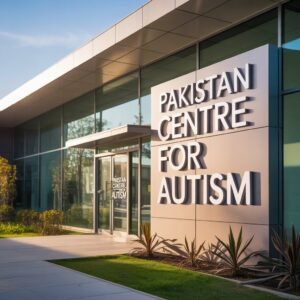
The journey of parenting a child on the autism spectrum in Pakistan is one filled with unique joys and distinct challenges. For many families, this path can feel isolating, marked by a search for reliable information, qualified professionals, and a supportive community. In this landscape, the concept of a national Pakistan centre for autism emerges as a vital beacon of hope and progress. Such a centre represents more than just a facility; it embodies a nationwide commitment to understanding, supporting, and empowering autistic individuals and their families. A dedicated Pakistan centre for autism serves as a central hub for resources, research, and advocacy, aiming to transform the narrative around autism from one of stigma to one of acceptance and potential.
The establishment of a Pakistan centre for autism addresses a critical gap in the country’s healthcare and educational infrastructure. Autism Spectrum Disorder (ASD) is a neurodevelopmental condition that affects communication, social interaction, and behavior. Its presentation is incredibly diverse, meaning that a one-size-fits-all approach is ineffective. Consequently, a national centre’s primary mission is to provide a multifaceted, holistic framework that caters to this diversity. Its work extends beyond clinical walls into the broader community, striving to create a more inclusive and understanding society where every autistic individual has the opportunity to thrive.
The Multifaceted Mission of a National Autism Centre
A comprehensive Pakistan centre for autism would be built on several interconnected pillars, each designed to address a different aspect of the autism journey.
1. Diagnosis, Assessment, and Early Intervention
One of the most significant challenges families face is obtaining an accurate and timely diagnosis. A national centre would house a multidisciplinary team of developmental pediatricians, clinical psychologists, and speech-language pathologists to conduct thorough and standardized assessments. Early diagnosis is crucial because it opens the door to early intervention. Research consistently shows that early, targeted support can dramatically improve outcomes, helping children develop essential communication, social, and cognitive skills during their most formative years.
2. Therapeutic and Educational Services
At its core, the centre would provide direct, evidence-based interventions tailored to each individual’s needs. This includes:
-
Applied Behavior Analysis (ABA): Using positive reinforcement to teach new skills and reduce challenging behaviors.
-
Speech and Language Therapy: Focusing on both verbal and non-verbal communication, including the use of Augmentative and Alternative Communication (AAC) devices for non-speaking individuals.
-
Occupational Therapy: Helping individuals manage sensory sensitivities and develop the fine motor skills and daily living abilities necessary for independence.
Furthermore, the centre could operate a specialized school program, offering a structured, sensory-friendly learning environment with a low student-to-teacher ratio, ensuring that education is accessible and effective.
3. Family Support and Empowerment
A national Pakistan centre for autism recognizes that families are the constant in a child’s life. Therefore, a core component of its work would be empowering parents and caregivers. This is achieved through parent training workshops, counseling services, and support groups. These resources equip families with the strategies and emotional resilience needed to support their child’s development at home and to become effective advocates in their community. When a family is supported, the entire support system around the autistic individual becomes stronger.
4. Professional Training and Public Awareness
A key to sustainable change is building national capacity. The centre would act as a leading institution for training the next generation of autism specialists, including therapists, special educators, and psychologists. By setting high standards for certification and practice, it would elevate the quality of care available across the country. Simultaneously, the centre would lead nationwide public awareness campaigns to dispel myths, reduce stigma, and promote a culture of neurodiversity—the understanding that neurological differences are a natural and valuable form of human variation.
The Ripple Effect: Building an Inclusive Society
The impact of a well-established Pakistan centre for autism would create a powerful ripple effect. By producing cutting-edge research relevant to the Pakistani population, it would inform better public health policies. By training professionals, it would create a network of qualified experts in every major city. And by advocating for the rights of autistic individuals, it would help to build a more inclusive society in schools, workplaces, and communities. This centre would not just change individual lives; it would systematically change the national approach to autism.
For any family navigating an autism diagnosis, knowing that a central, reputable resource exists can alleviate immense pressure. It provides a trusted source of guidance and a community of understanding. The vision for a Pakistan centre for autism is a vision for a future where every autistic individual in Pakistan is understood, supported, and given the tools to lead a fulfilling and productive life, celebrated for their unique strengths and contributions.