

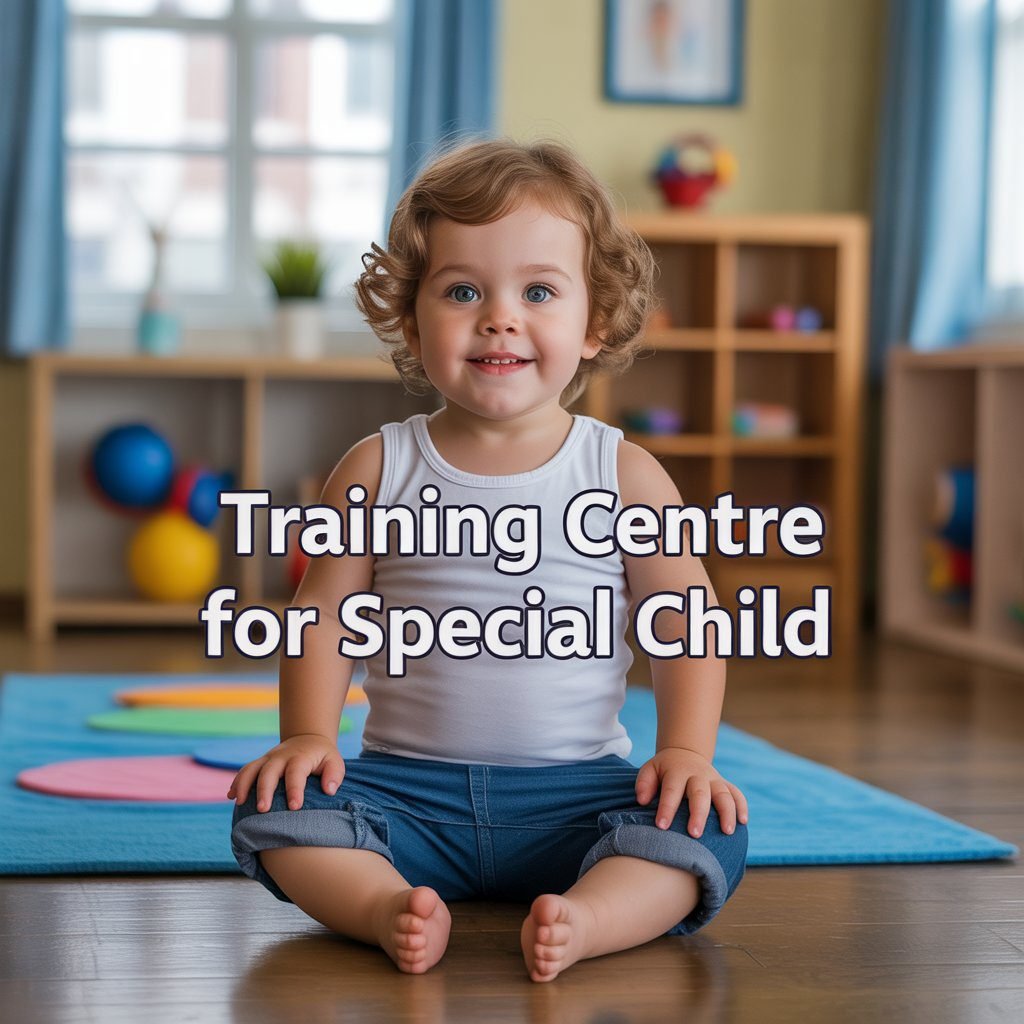
The journey of parenting a child with special needs is one of profound love, unique challenges, and immense growth. For many families, a pivotal step on this path is finding the right support system—a place where their child can learn, thrive, and unlock their full potential. This search often leads to a crucial resource: a dedicated Training centre for special child development. These centers are not just schools or clinics; they are dynamic ecosystems of hope, expertise, and personalized growth designed to nurture the whole child.
Understanding the role and benefits of a specialized Training centre for special child can empower parents to make informed decisions. Essentially, these centers provide structured, therapeutic, and educational programs tailored to children with a wide range of developmental, cognitive, and physical disabilities. The core mission is always to build independence, enhance communication, and foster social skills in a supportive and understanding environment.
The Unique Value of a Specialized Approach
Why is a specialized center so important? Mainstream environments, while well-intentioned, often lack the resources and specific expertise to meet the complex needs of children with conditions like Autism Spectrum Disorder (ASD), Down Syndrome, Cerebral Palsy, or global developmental delays. A professional Training centre for special child is built from the ground up with these needs in mind. Consequently, every aspect of the environment, from the physical layout to the curriculum, is intentionally designed to be sensory-friendly, accessible, and conducive to learning.
Core Services and Therapeutic Interventions
A high-quality center offers a multidisciplinary approach, recognizing that each child has a unique set of strengths and challenges. The integration of various therapies and educational strategies is key to holistic development.
1. Individualized Educational Programs (IEPs)
The cornerstone of any effective program is a highly personalized plan. Upon admission, a comprehensive assessment is conducted by a team of specialists. This assessment leads to the creation of an Individualized Educational Program (IEP), which outlines specific, measurable goals for the child. These goals are consistently reviewed and adapted, ensuring that the child is always progressing at their own pace.
2. Applied Behavior Analysis (ABA) Therapy
For many children, especially those on the autism spectrum, ABA therapy is a fundamental component. This evidence-based practice uses positive reinforcement to teach essential life skills, improve communication, and reduce challenging behaviors. Skills are broken down into small, manageable steps, which allows for consistent and measurable progress.
3. Speech, Occupational, and Physical Therapy
Integrated therapeutic support is a hallmark of an excellent center.
-
Speech and Language Therapy focuses on improving both verbal and non-verbal communication, helping children express their needs and ideas.
-
Occupational Therapy assists children in developing the fine motor skills and sensory processing abilities needed for daily tasks like dressing, eating, and writing.
-
Physical Therapy aims to enhance gross motor skills, balance, and coordination, promoting greater physical independence.
4. Life Skills and Socialization Training
Beyond academic and therapeutic goals, a primary objective is to prepare children for life. Training in essential life skills—such as personal hygiene, money management, and simple meal preparation—is often provided. Furthermore, structured group activities and social skills classes are facilitated. These sessions teach children how to interact with peers, take turns, share, and understand social cues, which are vital for building friendships and community integration.
The Ripple Effect: Supporting the Entire Family
The impact of a quality Training centre for special child extends far beyond the student. Parents and siblings also receive invaluable support. Families are often equipped with strategies and techniques to use at home, creating consistency between the center and the home environment. This consistency is crucial for reinforcing learning and managing behaviors. Moreover, connecting with other families on similar journeys can alleviate feelings of isolation and build a powerful community of mutual support and understanding.
Choosing the Right Centre: A Guide for Parents
Selecting the right facility is one of the most important decisions a family will make. Here are key factors to consider during the search:
-
Qualified and Compassionate Staff: The center should be staffed by certified and experienced professionals, including special education teachers, behavior analysts, and licensed therapists. Observe how staff interacts with the children; patience and warmth are non-negotiable.
-
Individualized Approach: Be wary of a one-size-fits-all program. Insist on seeing how they create, implement, and track personalized goals for each child.
-
Communication and Parental Involvement: A good center will view parents as partners. Look for a facility that prioritizes transparent, regular communication and actively involves parents in the training process.
-
Environment and Atmosphere: The physical space should be safe, clean, and organized. Most importantly, it should feel like a positive and happy place where children are encouraged to learn and explore.
A Partnership in Potential and Progress
In conclusion, a dedicated Training centre for special child development is far more than a simple service provider. It is a beacon of hope and a catalyst for transformation. It provides the specialized instruction, therapeutic intervention, and unwavering support that allows children with special needs to surpass expectations and shine in their own unique ways. For parents navigating this complex journey, the right center becomes an essential partner, offering not just services for their child, but guidance, community, and the reaffirming belief that their child’s potential is limitless.
Frequently Asked Questions (FAQs)
1. What is the main goal of a training centre for a special child?
The primary goal is to foster holistic development and independence. These centers use personalized educational programs and various therapies to help each child build essential life skills, improve communication, enhance social interaction, and achieve their highest potential in a supportive, understanding environment.
2. How is the curriculum or program personalized for my child?
Upon enrollment, your child undergoes a comprehensive assessment by a team of specialists. The results are used to create a unique Individualized Educational Program (IEP) with specific, measurable goals. This plan is regularly reviewed and adapted to match your child’s progress and evolving needs, ensuring they are always learning at the right pace.
3. What kinds of therapies are typically integrated into the program?
A multidisciplinary approach is standard. This often includes Speech and Language Therapy for communication, Occupational Therapy for daily living and sensory skills, Physical Therapy for motor development, and Applied Behavior Analysis (ABA) to teach new skills and manage behaviors. These therapies are woven into the child’s daily schedule.
4. How are parents and families involved in the process?
Parents are considered essential partners. A quality center will provide regular progress updates, train parents on strategies to use at home for consistency, and often host workshops or support groups. This collaborative approach ensures that learning and development continue beyond the centre’s walls.
5. What should we look for when visiting a potential centre?
Key things to observe include:
-
Staff Qualifications: Are the teachers and therapists certified and experienced?
-
Environment: Is the space safe, clean, and organized?
-
Individual Focus: Does the administration discuss creating a custom plan (IEP) for your child?
-
Atmosphere: Do the children seem engaged and happy? Is the overall feeling positive and supportive?